The crossing
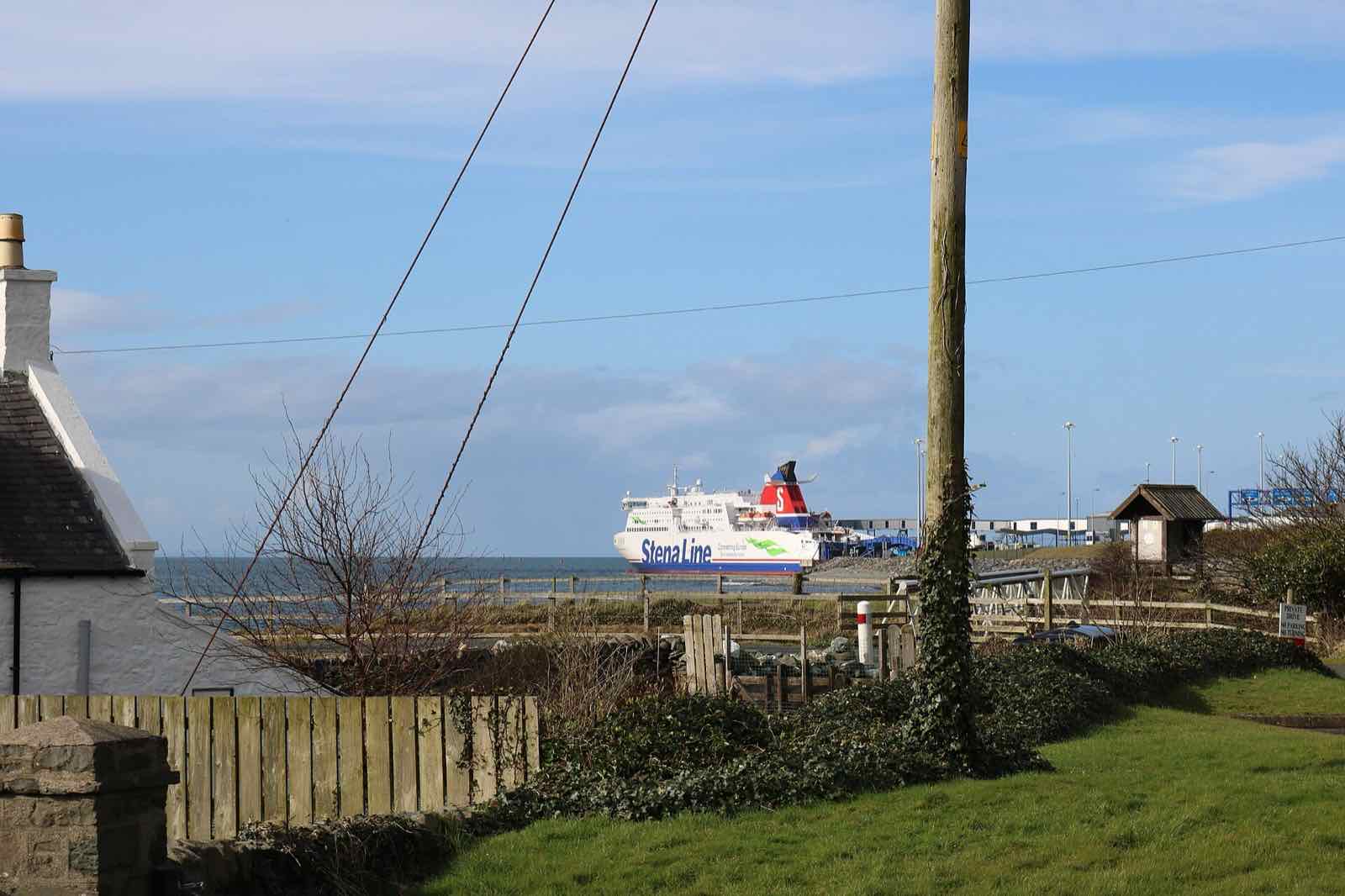
The short sea route between Scotland and Ireland runs from Cairnryan, a small port on Loch Ryan in the far south-west of Scotland, to Northern Ireland. Two companies sail it. Stena Line goes to Belfast, and the crossing takes a little over two hours. P&O Ferries goes to Larne, about 20 miles north of Belfast.
The car drives on with your driver. Once the ferry sails, everyone has to leave the vehicle deck, so you spend the crossing upstairs with a coffee and a window seat. Your bags stay locked in the car. When the ferry docks, you meet your driver back at the car and drive off. There's no luggage to collect and no taxi rank to queue at.
We choose the sailing to suit the rest of the day, arrive in good time for check-in and show the ferry in your quote. Timetables change between summer and winter, so we confirm the exact sailing when we quote.
Scotland to Ireland
From Edinburgh, the drive to Cairnryan takes about three hours: the M8 to Glasgow, then south down the A77 through Ayr, Girvan and Ballantrae. From Glasgow it's closer to two hours. Coming up from England, the A75 from Gretna across Dumfries and Galloway is the quieter way in.
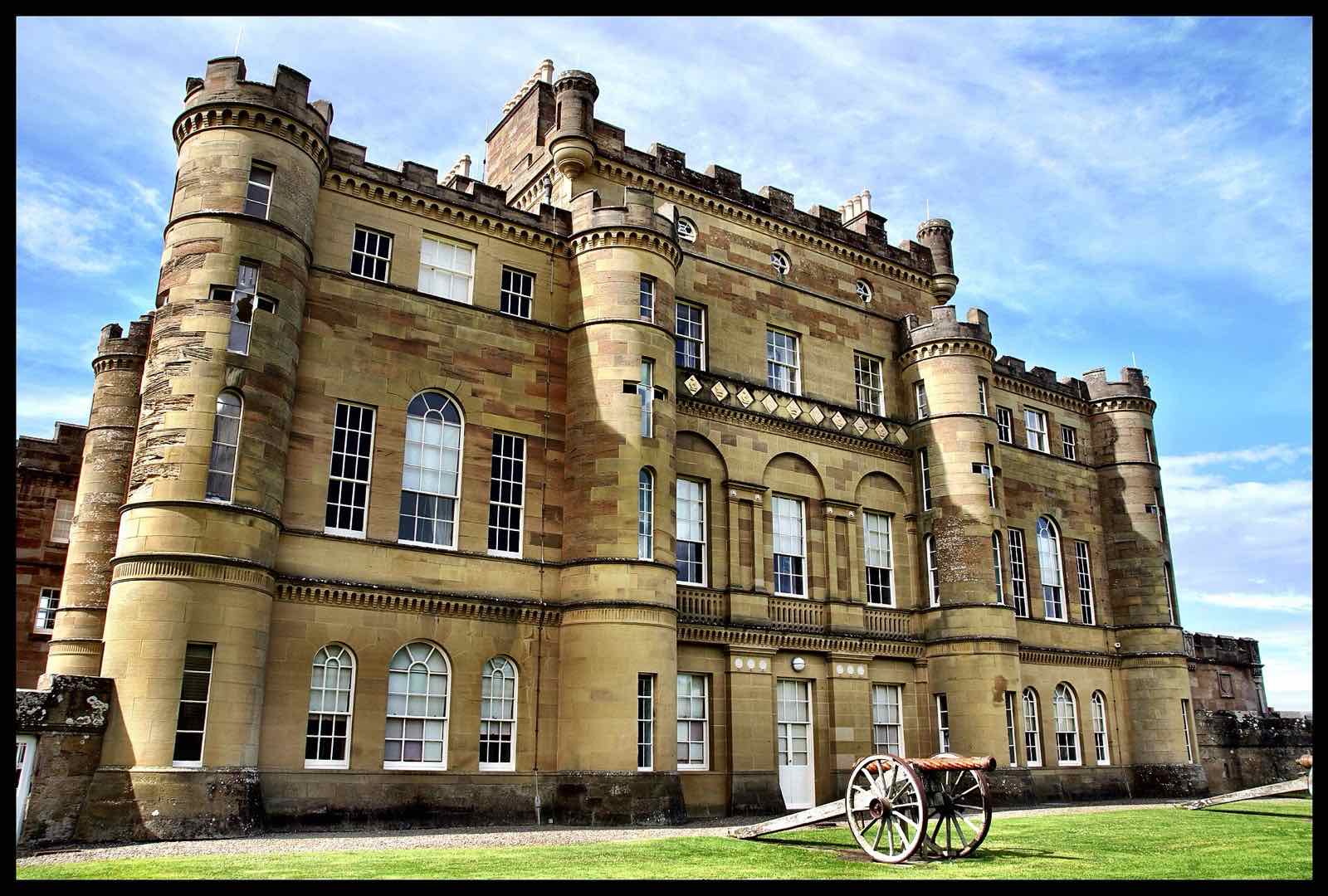
The Ayrshire coast is worth slowing down for. Culzean Castle sits on the clifftops south of Ayr. In Alloway there's the Robert Burns Birthplace Museum and the Brig o' Doon from his poem Tam o' Shanter. South of Girvan the road follows the shore, with Ailsa Craig standing off the coast, the island where most curling stones come from.
You land in Belfast in the afternoon or evening. From there, the Causeway Coast is an hour or so north, or Dublin is about two hours south on the motorway, with a short detour to Carlingford and the Cooley Peninsula if you'd like a stop on the way.
Ireland to Scotland
The same in reverse. From Dublin it's around two hours north to Belfast, so a morning sailing means an early start, and an afternoon one leaves time for the Titanic Belfast museum first. Once you land at Cairnryan, Glasgow is about two hours away and Edinburgh about three. Many people break the journey with a night in Ayrshire, so they arrive in Edinburgh fresh rather than late in the evening.
In one day, or over a few
A hotel-to-hotel run from Dublin to Edinburgh can be done in a single day. Allow nine to ten hours door to door including the ferry, and more if a sailing is late. It's a long day, but it's a lot easier than two flights and two airport transfers when you're travelling with luggage, children or someone who doesn't fly.
Most people prefer to spread it over two or three days and see the places in between. The driver stays with you throughout, so the car is your luggage store and nobody has to repack for a train.
A three-day example, Edinburgh to Dublin
- Day 1. Edinburgh to Ayr by way of Culzean Castle and Alloway. Overnight in Ayrshire.
- Day 2. Coast road to Cairnryan, midday sailing to Belfast. Afternoon at Titanic Belfast. Overnight in Belfast.
- Day 3. The Causeway Coast in the morning, then down the M1 to Dublin for the evening.
What "driver guide" means here
Your driver plans the stops, handles the ferry check-in and the bags, and can tell you about the places you're driving through. At the bigger attractions you'll get more from the site's own guided tour, and we time the day around those.
Golfers often use this route to link Ayrshire with Royal County Down and Royal Portrush; see our golf tours. If you want to add England, look at a longer tour that takes in England as well. For one-day trips from Edinburgh, Dublin or Belfast, see our day tours.
Before you travel
- Bring photo ID, or a passport if you're not a British or Irish citizen. Ferry operators can ask for it at check-in.
- If you aren't a British or Irish citizen, check whether you need a UK Electronic Travel Authorisation (ETA). It also covers journeys into Northern Ireland from the Republic, even though nobody checks at the land border. GOV.UK has the current rules.
- Scotland and Northern Ireland use pounds sterling. The Republic of Ireland uses euros. Speed limits change from miles to kilometres per hour when you cross into the Republic, which is usually the only sign you've crossed the border.
- If you're prone to seasickness, the North Channel can be choppy in winter. Ask us for a morning sailing, when the sea is often calmer.